
Retargeting: Bring Back Website Visitors Who Almost Converted

Your website gets visitors every day. But most of them leave without taking action.
They're not lost. They're just not ready yet.
Retargeting changes that. It's a straightforward strategy that puts your ads in front of people who've already visited your website—reminding them why they should come back and complete the action you want them to take.
The result? Businesses typically see 40-60% better conversion rates when they use retargeting alongside other advertising efforts.
What Is Retargeting?
Retargeting is simple: when someone visits your website, a small piece of tracking technology remembers them. Later, when they're browsing other websites, they see your ads reminding them to come back.
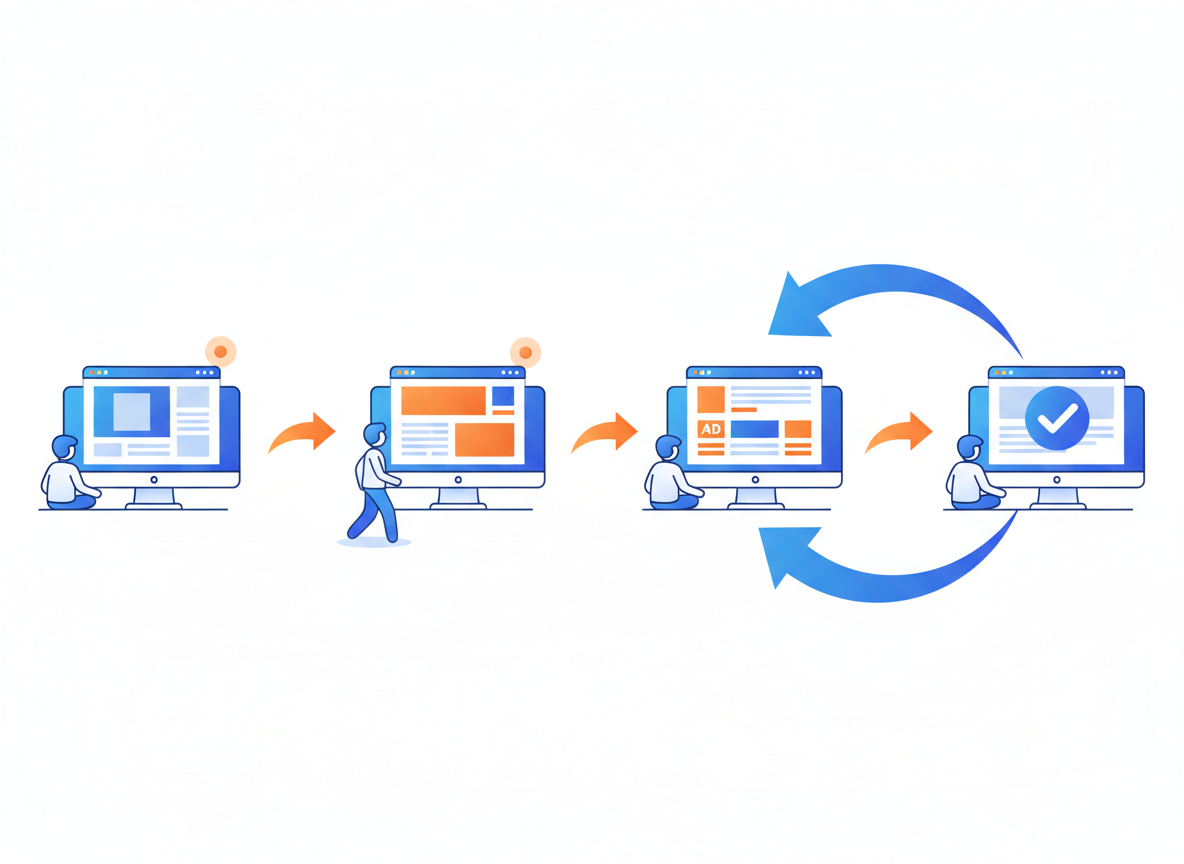
Here's the flow:
Someone visits your website
They leave without converting (no purchase, no form submission, no phone call)
Tracking technology identifies them as a past visitor
They see your ads on other websites they visit
They click back to your site
They convert
Why it works:
You're not trying to convince cold prospects. You're reminding people who already showed interest. They know your business exists. They've seen what you offer. They just need a nudge to take the next step.
Why Retargeting Matters for Your Business
Most businesses lose 95% of website visitors without converting them. That's wasted traffic and wasted marketing budget.
Retargeting recovers some of that lost opportunity. It's one of the highest-ROI advertising strategies because you're targeting warm leads—people who've already demonstrated interest.
The numbers:
Retargeted visitors are 70% more likely to convert than new visitors
Retargeting campaigns typically cost 50-70% less than acquiring new customers
Businesses see better ROI on retargeting than on most other digital advertising channels
When Retargeting Makes Sense
Retargeting works best when:
You have consistent website traffic (at least 100+ visitors per month)
Your sales cycle isn't instant (people need time to decide)
You have a clear call-to-action (purchase, contact form, phone call, appointment)
You're competing in a crowded market (people shop around)
Good use cases:
E-commerce sites (bring back cart abandoners)
Service businesses (remind prospects to call or request a quote)
Local businesses (remind people to visit your location)
B2B companies (nurture leads through the decision process)
High-ticket items (where people need multiple touch points)
How Retargeting Strategy Works
1. Identify Your Audience Segments
Not all visitors are the same. Segment them based on behavior:
High-intent visitors: Spent 3+ minutes on your site, viewed pricing or contact pages
Product/service explorers: Viewed specific offerings but didn't convert
Homepage visitors: Visited but didn't explore further
Exit-intent visitors: About to leave without taking action
2. Create Targeted Messaging
Different segments respond to different messages.
High-intent visitors respond to urgency: "Ready to get started? Schedule a consultation today."
Explorers respond to education: "See how [your service] solves [specific problem]."
Homepage visitors respond to clarity: "Here's what we do and why customers choose us."
3. Set Frequency and Duration
Show ads frequently enough to stay top-of-mind, but not so much that you annoy people.
Frequency: 3-5 times per day is typical Duration: 30-90 days is standard (depends on your sales cycle)
4. Monitor and Adjust
Track which messages work. Which segments convert best? Which ad placements drive traffic? Double down on winners, pause under performers.
Common Retargeting Mistakes
Mistake 1: Showing the Same Ad to Everyone
A person who visited your homepage needs a different message than someone who viewed your pricing page. Customize your messaging by segment.
Mistake 2: Over-Frequency (Ad Fatigue)
Showing someone your ad 20 times a day doesn't make them more likely to convert—it makes them more likely to ignore you or develop negative feelings about your brand.
Cap frequency and rotate creative regularly.
Mistake 3: Ignoring Mobile Users
60%+ of web traffic is mobile. If your ads don't look good on phones, you're wasting budget.
Make sure all creative is mobile-optimized.
Mistake 4: Not Setting a Time Limit
Retargeting someone 6 months after they visited your site doesn't make sense. Set a reasonable window (30-90 days depending on your sales cycle).
Mistake 5: Forgetting About Brand Safety
Make sure your ads appear on reputable websites. Poor placements hurt your brand.
Retargeting vs. Other Advertising Strategies
Retargeting vs. Search Ads:
Retargeting: Better for reminding past visitors
Search: Better for capturing people actively searching
Retargeting vs. Cold Prospecting:
Retargeting: Warmer audience, higher conversion rates
Cold: Larger audience, lower conversion rates
Retargeting vs. Email Marketing:
Retargeting: Visual, immediate, reaches people across the web
Email: Lower cost, builds direct relationships
For most businesses, retargeting is essential because it captures the lowest-hanging fruit: people who've already shown interest but aren't ready to convert yet.
What to Expect from Retargeting
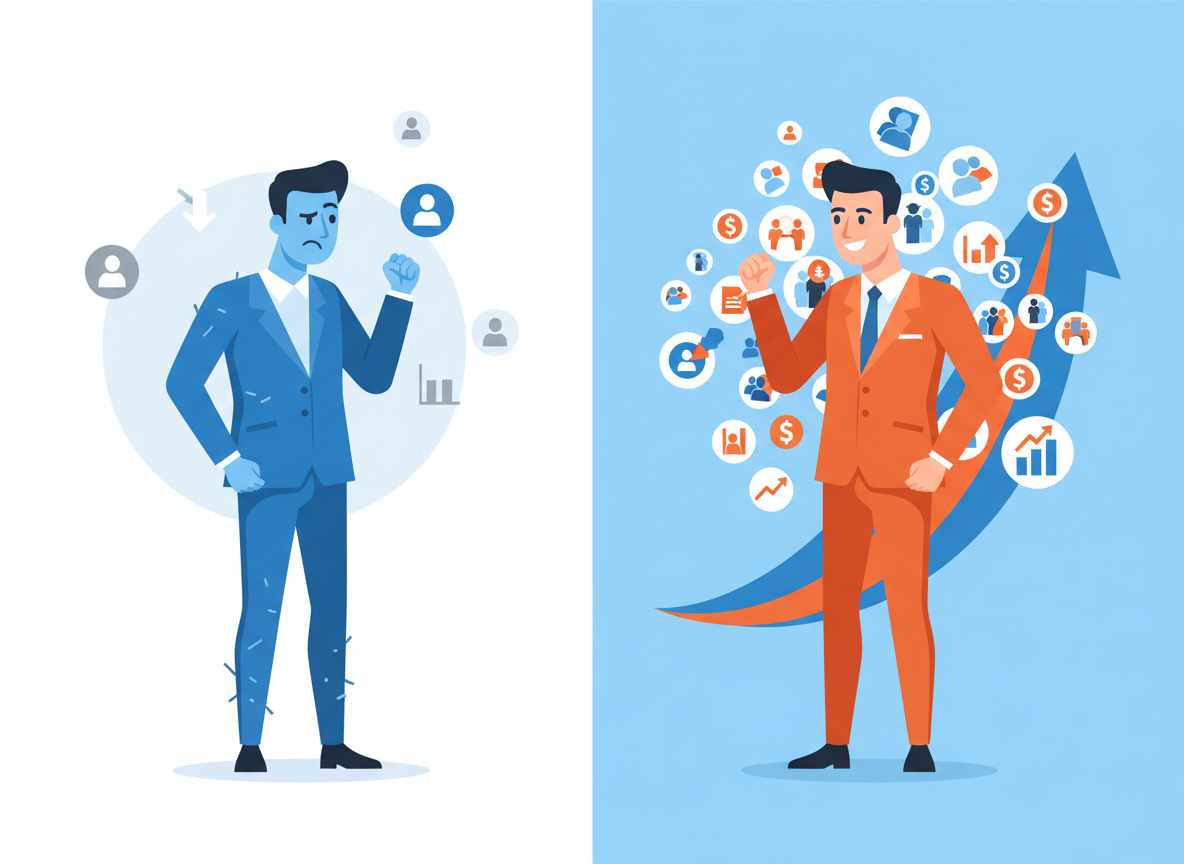
Timeline: 2-4 weeks to see meaningful results (people need multiple exposures)
Cost: Typically 50-70% cheaper than acquiring new customers
Conversion lift: 40-60% improvement in conversion rates (varies by industry and offer)
Best for: Businesses with consistent traffic and a clear conversion goal
“Similar to the way a server at a restaurant says their name three times to a table to ensure their customers remember it, your typical potential customer needs to see your ad multiple times before taking action.”
The Bottom Line
Retargeting is one of the most cost-effective advertising strategies because it targets people who've already shown interest in your business.
You're not interrupting strangers. You're reminding prospects about something they were already considering.
If you're not using retargeting, you're leaving money on the table.
Ready to bring back your lost visitors and convert them into customers?
Schedule a free consultation with Devise & Conquer Marketing. We'll audit your current retargeting strategy, identify missed opportunities, and build a custom campaign to increase your conversion rate.